

About the conference
The European Food Safety Authority (EFSA) is organising the 5th European Conference on Xylella fastidiosa, which will take place from 23 to 25 June 2026 in Bari, Italy. The conference will bring together researchers, risk assessors, risk managers and stakeholders to share the latest scientific and practical advances and support evidence-based risk management and policy decisions. A series of side events, technical meetings and field activities will also be held throughout the week, from 22 to 26 June, offering participants additional opportunities for exchange and hands‑on insight into ongoing research and management efforts.
Objectives of the event
Building on the outcomes of previous editions, the conference aims to present and discuss recent advances in detection, epidemiology and sustainable management of Xylella fastidiosa, including social aspects, with particular attention to translating research results into effective risk management and policy support.
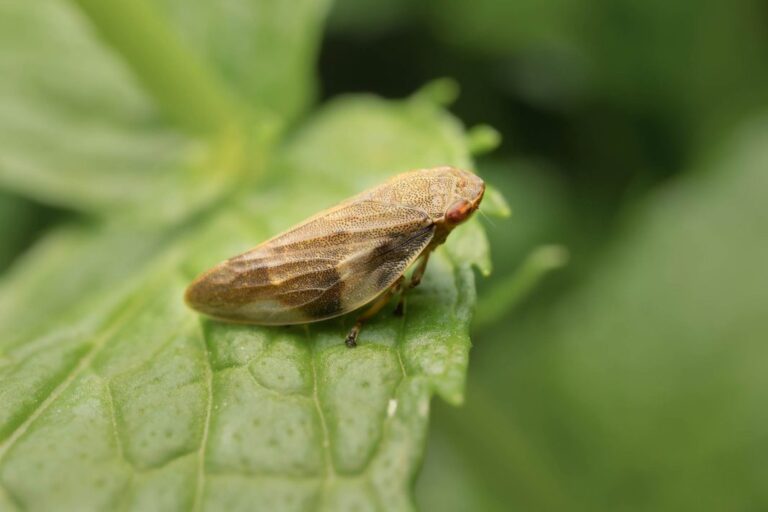
The event will address innovative tools and integrated approaches for the sustainable management of Xylella fastidiosa epidemics in olive, vineyard and almond production systems, as well as updates on the risks posed by the bacterium and its insect vectors to agriculture, forestry and natural ecosystems.
The conference will also provide a platform for the presentation and discussion of the results from the Horizon Europe research project BeXyl – Beyond Xylella, as well as from projects funded by the Italian Ministry of Agriculture, Food Sovereignty and Forests (MASAF) supporting the control of Xylella fastidiosa and the recovery of olive growing, alongside findings from other international, EU and national research initiatives.
Call for abstracts
Participants are invited to submit abstracts for oral and poster presentations. Abstract submissions will play a key role in shaping the scientific programme and agenda of the conference, ensuring that discussions reflect the most recent research findings, emerging challenges and priority topics relevant to risk assessment, risk management and policy support.
Abstract submission is available through the registration link, where more information and the abstract template are provided. Each participant may submit a maximum of two abstracts.
Young Researchers’ Initiative
A Young Researchers’ Initiative is taking place as part of the conference to support early-career researchers and plant health professionals. The initiative will provide financial support to selected participants by covering accommodation and travel costs, enabling them to attend the conference and actively contribute to the scientific programme. To be eligible, applicants must be presenters of an accepted oral or poster contribution, be PhD students, or early-career researchers/plant health professionals, and be affiliated with a public research organisation or a higher education institution.
Side events
In addition to the scientific conference, several side events, meetings and technical activities are running throughout the week, providing further opportunities for exchange and discussion among researchers, practitioners and authorities. Expressions of interest to attend side events will be assessed to ensure balanced participation, as the number of available places is limited.
- 22 June 2026 | Final project meeting of the EU-funded Horizon Europe research project BeXyl (Beyond Xylella)
- 22 June 2026 | MASAF projects for the control of Xylella fastidiosa and the recovery of olive growing
- 25 June 2026 | 2013–2026: Over 12 years of managing the Xylella fastidiosa outbreaks – experiences gained and critical issues emerged
- 26 June 2026 | Technical field visit to areas affected by Xylella fastidiosa
Organisation and partnerships
The conference is organised in collaboration with major EU and transnational research networks, including BeXyl and EUPHRESCO III, and with key partners such as the CIHEAM Bari, the Institute for Sustainable Plant Protection of the National Research Council of Italy (CNR IPSP) and the Phytosanitary Service of the Apulia Region (Italy).
Dates and venue
The scientific conference is taking place in Bari, Italy, from 09:30 on 23 June 2026 to 13:00 on 25 June 2026. The sessions will be web streamed live and recorded. Additional workshops, side events and technical visits are organised throughout the week (22-26 June 2026).